
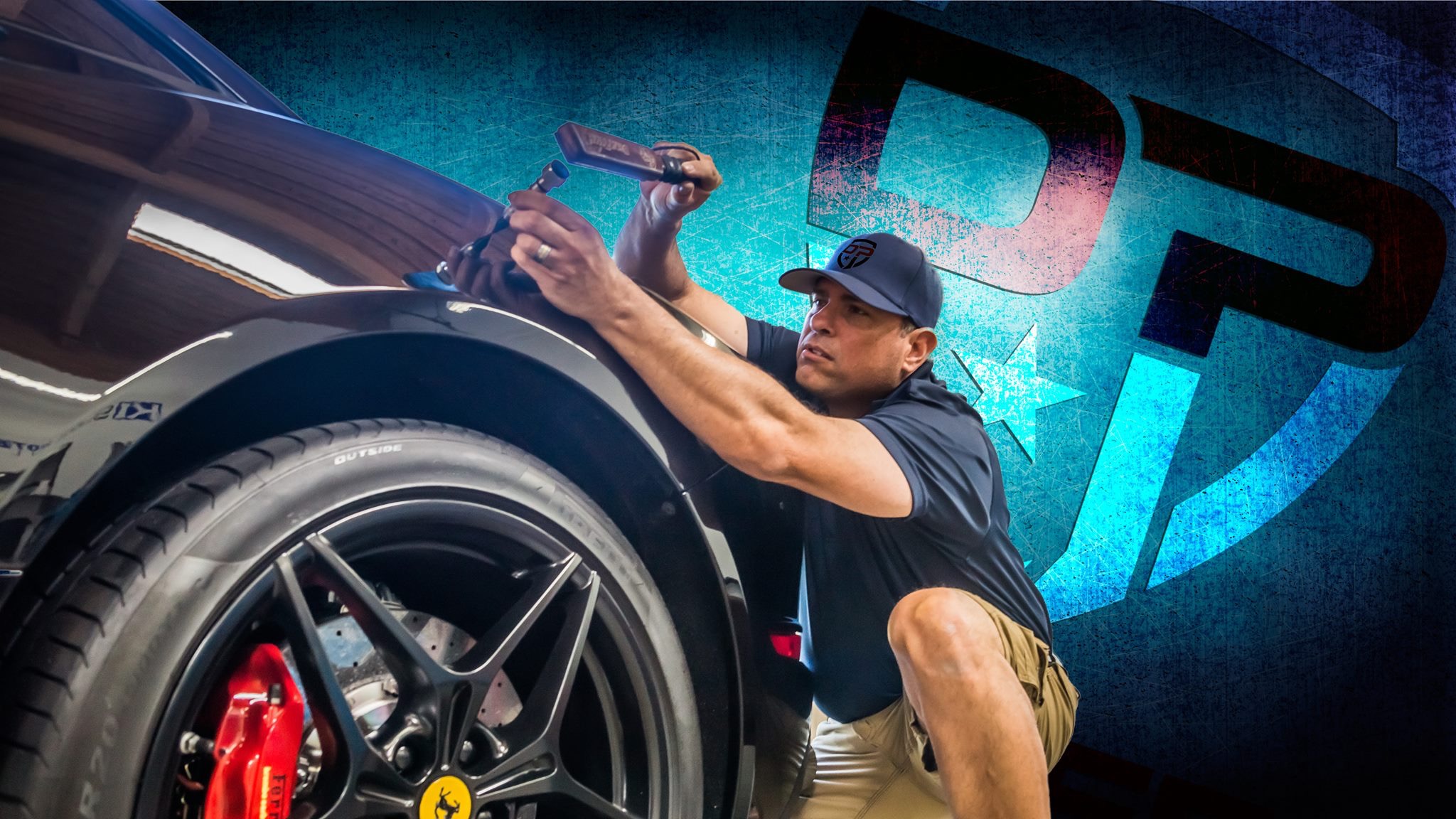
Understanding Paintless Dent Repair

Paintless dent repair (PDR) has become a popular choice for fixing vehicles with minor dings, dents, and hail damage. Unlike traditional repair methods that require sanding, filling, and repainting, PDR involves carefully reshaping the damaged metal back to its original condition without disturbing the factory finish. As a result, it’s often quicker, more affordable, and more environmentally friendly than conventional collision repairs that depend on paints and fillers. However, PDR isn’t suitable for every situation. Knowing when it’s effective-and when it’s not-is important for vehicle owners comparing PDR with traditional dent repair options.
What Is Paintless Dent Repair?
Paintless dent repair is a method that’s been around for decades but has gained wider popularity thanks to advancements in tools and technician training. The process uses specialized rods and instruments to apply precise pressure from behind the dent, gradually restoring the metal to its original shape. When the dent can’t be reached from the back, technicians may use glue-pulling techniques to carefully lift the damaged area from the outside.
One of the main benefits of PDR is that it preserves your vehicle’s factory paint. Because there’s no need for sanding or repainting, the original finish stays intact, helping maintain the car’s overall value. This is particularly important for luxury vehicles or cars with custom paint jobs, where matching the original finish can be both costly and challenging.
Benefits Of Paintless Dent Repair
PDR has become increasingly popular because it addresses many of the common challenges car owners face after minor damage. Here are some of its key advantages:
Cost-Effective: Paintless dent repair is typically more affordable than traditional methods because it eliminates the need for fillers, sanding, and repainting.
Faster Repairs: Many dents can be fixed in just a few hours, rather than leaving your vehicle in a body shop for several days.
Environmentally Friendly: Without the use of paint or harsh chemicals, PDR offers a more eco-conscious alternative to conventional collision repair.
Preserves Resale Value: By maintaining the original factory finish, the vehicle retains more of its value compared to panels that have been repainted.
Long-Lasting Results: When done properly, PDR restores the panel’s strength and leaves no visible signs of damage or repair.
When Paintless Dent Repair Works Best
Not all dents are created equal. Some damage is perfectly suited for PDR, while other situations require traditional methods. PDR works best for:
- Small to medium-sized dents where the paint has not been cracked or chipped.
- Hail damage or parking lot dings that do not involve sharp creases.
- Shallow dents where the metal has not been overstretched.
- Panels that allow tool access behind the dent.
For these situations, PDR can deliver flawless results that look as if the dent never happened.
When Paintless Dent Repair Doesn’t Work
Despite its advantages, PDR has limitations. It is not suitable for every kind of collision dent repair. Cases where PDR may not work include:
- Severe Damage: If the metal is deeply creased or torn, PDR is not an option.
- Damaged Paint: If the impact has chipped or cracked the paint, traditional repair will be required to protect against rust.
- Aluminum Panels: While possible, aluminum is harder to manipulate, making PDR more challenging and sometimes impossible.
- Edge Dents: Dents on the edge of panels often cannot be reached with PDR tools.
- Large Dents: Dents larger than a few inches may overstretch the metal, preventing full restoration with PDR.
In these cases, traditional auto dent repair involving sanding, fillers, and repainting becomes necessary.
How Paintless Dent Repair Is Done
The process of PDR is meticulous and requires skill. Here’s an overview:
- Assessment: A technician inspects the damage and determines if PDR is possible.
- Access: The technician gains access behind the panel, sometimes removing trim or interior pieces.
- Tool Work: Specialized rods apply controlled pressure to the dent from behind, gradually working it back into shape.
- Glue Pulling: If access is not possible, glue tabs may be used on the exterior to pull the dent outward.
- Finishing: The technician polishes the area to ensure the surface looks as good as new.
This process requires patience, precision, and training-qualities that separate professional auto dent repair from DIY attempts.
The Role of Paintless Dent Repair in Collision Dent Repair
While PDR is not suitable for every accident, it plays an important role in modern collision dent repair. Many body shops now offer both PDR and traditional dent repair, allowing technicians to choose the best approach based on the type of damage. This hybrid approach ensures customers receive the most effective and cost-efficient solution for their specific situation.
Choosing The Right Shop For PDR
Not every auto body shop offers PDR. When choosing a collision shop, look for:
- Certified technicians
- Positive customer reviews highlighting dent repair work.
- Shops that offer both PDR and traditional repair to ensure you get the best option.
Is Your Vehicle Ready to Be Restored?
If your car has dents, dings, or hail damage, our experienced team can help. We offer both paintless dent repair and traditional collision dent repair, ensuring your vehicle receives the right care for its specific needs. Our certified technicians take pride in delivering flawless results that protect your investment and get you back on the road quickly. For more information about us, contact one of our 5 locations!