
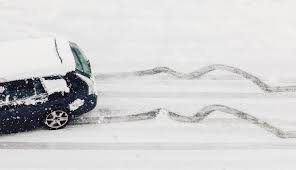
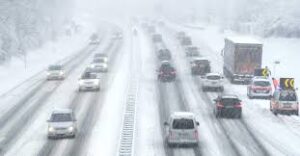
Winter driving in Michigan presents its own unique set of challenges. Understanding how to prepare your vehicle and drive safely in winter conditions is essential to preventing accidents and protecting yourself. This guide outlines key winter driving practices, vehicle preparation tips, and ways to stay updated on road conditions throughout the colder months.
Vehicle Preparation for Winter
Tire Maintenance:
Proper tire maintenance is essential for safe winter driving. Begin by checking your tire pressure regularly, as cold temperatures can cause it to decrease. Maintaining the correct tire pressure improves traction and vehicle control on icy roads. It’s also important to check tire tread depth, since worn tires are more likely to lose grip on snowy or icy surfaces and should be replaced if needed.
Using winter tires can greatly improve your vehicle’s performance in snow and ice compared to all-season tires. Designed with deeper treads and softer rubber compounds that stay flexible in cold weather, winter tires provide enhanced grip, stability, and overall control.
Lights & Wipers:
Maintaining good visibility is essential when driving in winter conditions. Check that all vehicle lights-headlights, taillights, and turn signals-are working properly. Before driving, remove any snow or ice from the lights so they remain visible to other drivers.
Windshield wipers also play a critical role in winter driving safety. Make sure your wipers are in good condition and replace them if they streak or fail to clear the windshield effectively. Using winter-grade windshield washer fluid is equally important, as it prevents freezing and helps keep your windshield clear in cold temperatures.
Emergency Winter Kit:
Keeping an emergency winter kit in your vehicle can be crucial if you become stranded during harsh winter conditions. Preparing ahead of time can help ensure your safety and comfort while waiting for assistance. Essential items to include in your winter emergency kit are:
-
Blankets and warm clothing: To help retain body heat if temperatures drop.
-
Non-perishable food and water: In case you are stuck for an extended period.
-
Flashlight with extra batteries: To improve visibility in low-light conditions.
-
First aid kit: For treating minor injuries.
-
Jumper cables: To help restart a dead battery.
-
Shovel and ice scraper: For removing snow and ice around your vehicle.
-
Sand or cat litter: To provide extra traction if your vehicle becomes stuck.
-
Portable phone charger: To ensure you can contact help when needed.
Having these supplies readily available can make a significant difference in staying safe and comfortable during winter emergencies.
Defensive Driving Techniques for Winter Conditions
Driving safely in winter conditions requires a more cautious and defensive approach. Here are some key techniques to keep in mind.
Increasing Following Distance:
Keeping a safe distance between your vehicle and the one ahead is especially important in winter driving conditions. Increasing your following distance provides more time to react to sudden stops or unexpected traffic changes. On snowy or icy roads, this extra space helps prevent rear-end collisions by allowing for longer braking distances.
Importance: Maintaining a greater following distance significantly reduces the risk of accidents.
Prevention: It gives drivers additional time to respond safely to unexpected situations, such as sudden braking or loss of traction.
Adjusting Speed:
Slowing down is crucial when driving in poor winter conditions. Snow and ice reduce tire traction, making it more difficult to stop quickly and increasing the risk of skidding.
Guidelines: Adjust your speed according to road conditions. Even if the speed limit is higher, driving more slowly can help prevent accidents.
Importance: Reduced speeds enhance vehicle control and lower the likelihood of skidding or losing control.
Avoiding Sudden Maneuvers:
Abrupt braking, sharp turns, and rapid acceleration can cause your vehicle to lose traction on winter roads. To stay in control, make all movements slow and deliberate.
Techniques: Apply brakes gradually, steer gently, and accelerate smoothly.
Control: Smooth, deliberate movements help maintain traction and reduce the risk of skidding.
Caution at Intersections & Bridges:
Intersections and bridges often freeze more quickly than other sections of the road, requiring extra caution when approaching and crossing them.
Why: These areas freeze faster because they have less ground insulation than regular road surfaces.
Navigation Tips: Reduce your speed well before reaching an intersection or bridge, and be prepared for slippery conditions.
Staying Informed About Road Conditions & Weather:
Staying informed about current road and weather conditions allows you to plan trips more safely and helps you avoid hazardous situations.
Checking MDOT’s Road Conditions Map
The Michigan Department of Transportation provides a road conditions map that is an excellent resource for drivers.
Access: Visit the MDOT website to view the road conditions map.
Importance: Use the map to plan routes based on current road conditions, avoiding areas with reported issues.
Listening To Local Traffic Reports:
Local traffic reports offer real-time information on road conditions and accidents, making them an essential tool for safe winter driving.
Sources: Listen to local radio stations or use apps that provide up-to-date traffic information.
Frequency: Checking these updates regularly helps you make informed decisions about your travel routes.
Using Weather Apps and Alerts:
Weather apps offer real-time updates and alerts for severe conditions, helping you stay prepared while on the road.
Benefits: Live updates let you adjust your travel plans according to current weather conditions.
Alerts: Enable notifications for severe weather to receive timely warnings directly on your phone.
Conclusion
In summary, safe winter driving in Michigan requires proper vehicle preparation, cautious driving practices, and staying informed about road and weather conditions. By keeping your vehicle well-maintained, adjusting your driving habits for winter hazards, and using real-time traffic and weather resources, you can greatly reduce risks and ensure a safer journey for yourself and others. Stay prepared, drive carefully, and stay informed to navigate Michigan’s winter roads with confidence.
We’re here if you need us!